Ordering Clothes Online Without the Return Cycle Review
Sizes are not standardised and never have been. Measure yourself once, use the garment's measurements rather than its size label, and the return rate drops dramatically.
- Topic
- Online sizing and fit
- Method
- Compare garment measurements, not size labels
Reasons to buy
- Measuring once solves the problem permanently
- Garment measurements are objective; size labels aren't
- Cuts returns, which increasingly cost money
Reasons to avoid
- Some retailers publish no measurements at all — a signal in itself
- Fabric stretch complicates flat measurements
- Requires a tape measure and ten minutes
Clothing sizes were never standardised — not across brands, not across countries, often not even within a single label's range. A medium from one brand and a medium from another can differ by several centimetres in every dimension, which is why ordering by your usual size online produces the return cycle everyone has learned to accept as normal. The label is a suggestion; the measurements are facts.
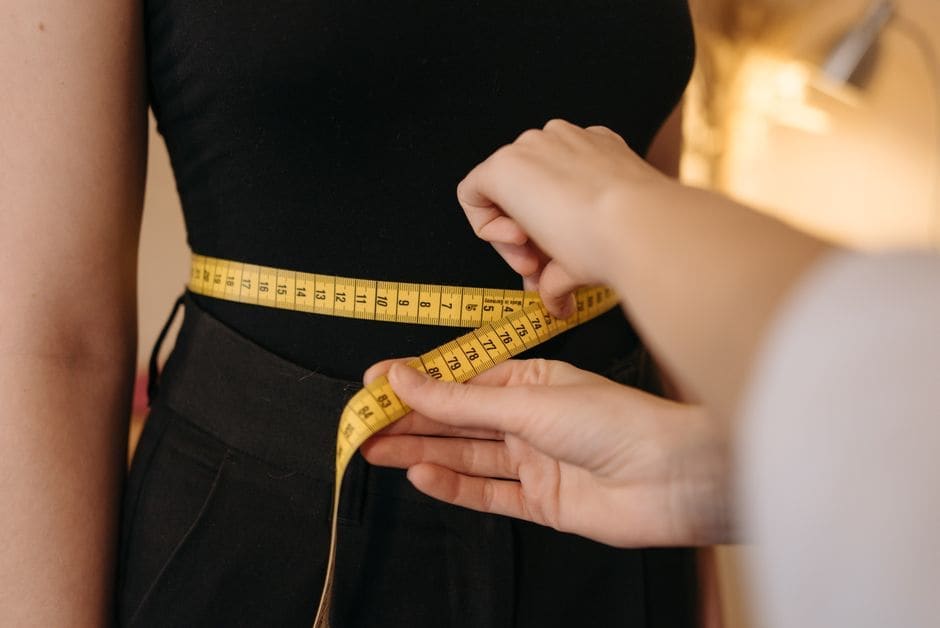
The fix takes minutes and works permanently. Measure yourself once — chest, waist, hips, inseam, and for tops the shoulder width and sleeve length — and write the numbers somewhere you'll find them again. From then on, buy by comparing those numbers against the garment's published measurements and ignore the letter on the label entirely. It's the difference between ordering blind and ordering informed, and the equipment is a tape measure.
Two refinements sharpen it further. Fabric stretch changes how a flat measurement translates to fit, so read the composition — a rigid woven needs more ease than a stretchy knit, and the same chest measurement wears completely differently across the two. Better still, measure a garment you already own that fits well and compare garment to garment; it's the most reliable method there is, because it captures ease and cut in a way body measurements alone can't.
One signal worth reading: retailers who publish no garment measurements at all are telling you how much thought they've given to fit — and how many returns they're braced for. Treat the absence as information about the product, not just the website.
The economics close the argument. Returns increasingly cost money, and even free ones cost time, packaging and the wait for a replacement. A few minutes with a tape measure is the highest-return effort in all of online clothes shopping — done once, it quietly upgrades every order you place afterwards.
How we tested
The Ordering Clothes Online Without the Return Cycle was scored against the same written rubric we apply to every Buying Guides product — real-world performance, build quality, ease of use, upkeep and value. Full protocol on our How We Test page.